
The Ultimate Guide to the Top 10 Portable Fans for Every Room
As an Amazon Associate I earn from qualifying purchases.
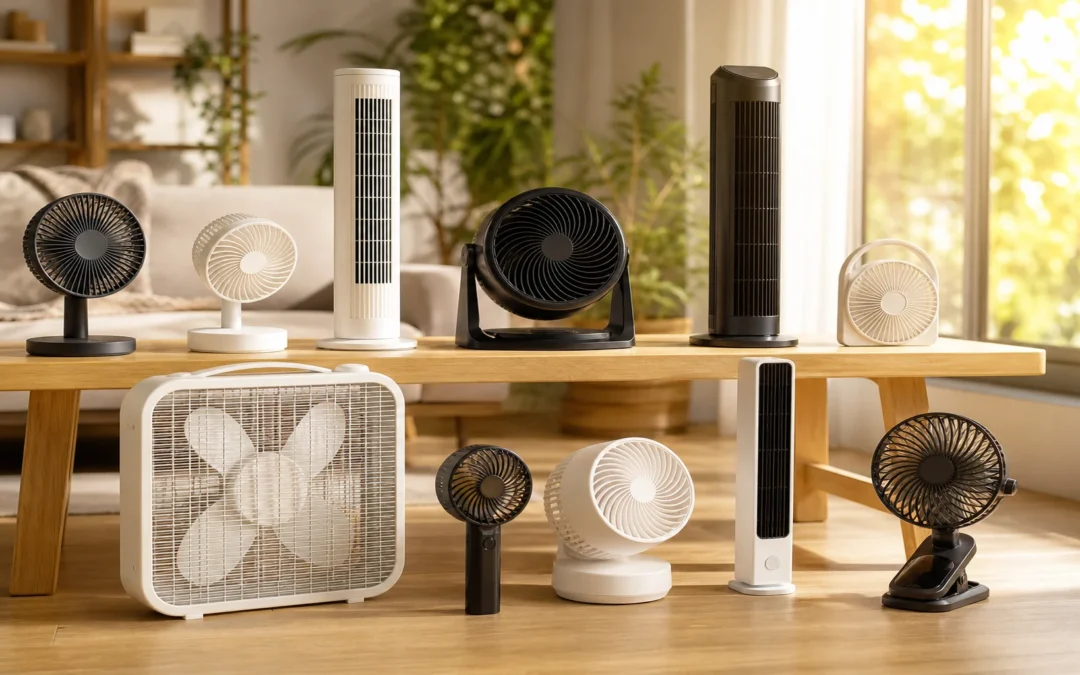
When a room feels stuffy, a portable fan is often the fastest way to move air without committing to a new cooling system. Today’s models range from compact desk circulators you can carry between rooms to slim tower fans that sweep a living space with oscillation and a remote. Some prioritize raw airflow for garages and workshops; others stay quiet enough for bedrooms and video calls. This guide highlights ten portable fans currently listed on Amazon, spanning personal, box, circulator, and tower designs. We focus on features rather than dollar amounts so you can match airflow, noise, and footprint to the room you actually use.
1. Dreo Nomad One Tower Fan (Amazon)
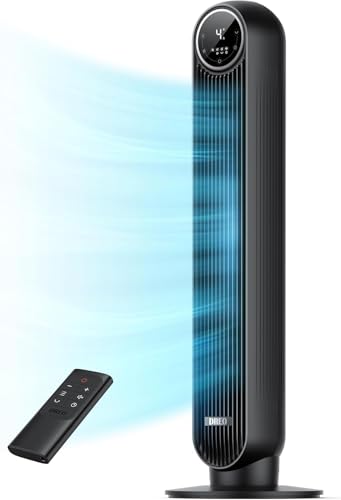
- Key Features: 36-inch bladeless tower, upgraded DC motor, claimed 28 ft/s airflow, 8 speeds, 4 modes, 90° oscillation, remote, sleep-friendly noise range
- Pros: Slim footprint for bedrooms and apartments; remote plus multiple speeds; bladeless grill is easier to live with around kids and pets
- Cons: Corded only, so it is portable room-to-room rather than cordless; base assembly required; not a whole-house air conditioner
- Description: The Dreo Nomad One (model DR-HTF007) is a standing tower built for indoor rooms that need more than a desk breeze. Dreo pairs a brushless DC motor with a bladeless tower so air exits through a vertical grill instead of exposed blades. Eight speeds and four modes, including a sleep setting, let you trade punch for quiet. Ninety-degree oscillation and an included remote make it practical for a bedroom or living room where you do not want to get up to change settings.
2. Honeywell TurboForce HT-900 Air Circulator (Amazon)
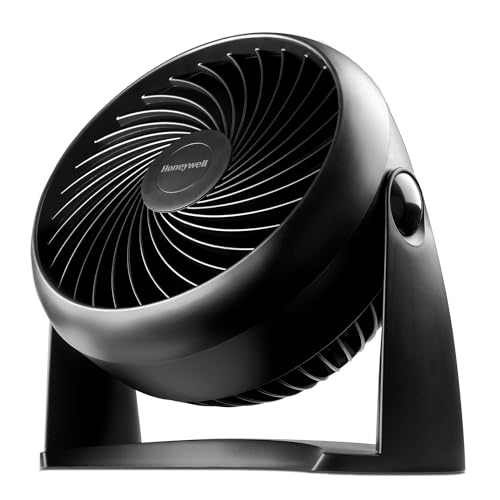
- Key Features: Compact TurboForce circulator, 3 speeds, 90° pivoting head, tabletop or floor use, wall-mount option on many setups
- Pros: Small, light, and easy to aim; simple three-speed switch; works as a personal cooler or a helper for an air conditioner
- Cons: No oscillation, timer, or remote; can sound busy on high; circulation is directional rather than whole-room vortex style
- Description: The Honeywell HT-900 is the classic compact circulator many people already recognize: an 11-inch-class TurboForce fan that sits on a desk, nightstand, or floor. Three speeds and a 90-degree pivoting head let you point air at a person, a doorway, or up toward the ceiling. It will not replace a tower in a large living room, but it is an honest, no-app portable fan for dorms, offices, and small bedrooms.
3. Vornado 660 Large Air Circulator (Amazon)
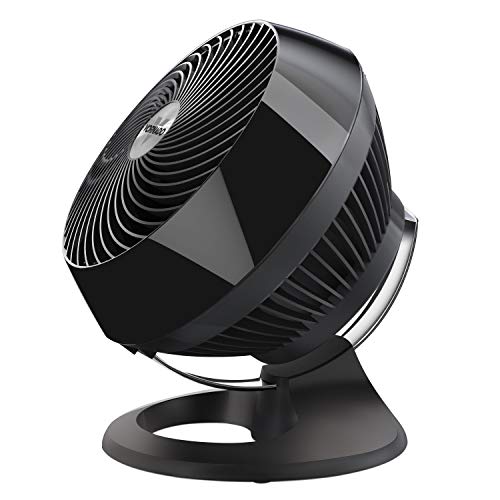
- Key Features: Large whole-room circulator, 4 speeds, 90° chrome glide-bar tilt, removable grill, vortex-style airflow claimed up to 100 feet
- Pros: Moves air across a large room instead of only blasting the person in front of it; four speeds including a turbo setting; grill comes off for cleaning
- Cons: Bulkier than a personal fan; no oscillation or remote; best on a floor or sturdy table, not a crowded nightstand
- Description: Vornado’s 660 is built for whole-room circulation rather than a narrow jet of personal cooling. Deep-pitched blades and the spiral grill create a vortex that the company rates for air movement up to 100 feet. Four push-button speeds and a chrome glide bar for a full 90-degree tilt make it easy to send air across a living room, office, or dorm. It is a portable floor circulator, not a cordless patio fan, but it is one of the more capable indoor movers on this list.
4. Honeywell QuietSet HTF210B Personal Table Fan (Amazon)
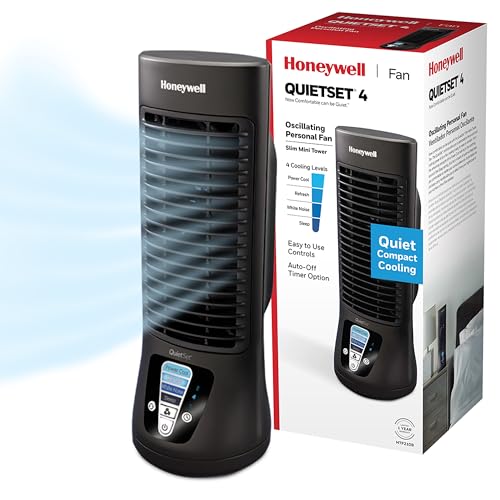
- Key Features: 13-inch mini tower, 4 QuietSet power/sound levels, optional oscillation, 2–8 hour auto-off timer, DC motor, slim desktop footprint
- Pros: Light enough to move between desk and nightstand; timer is useful at bedtime; quieter personality than a high-velocity box fan
- Cons: Personal coverage, not a large-room circulator; no app or voice control; airflow is modest compared with full-size towers
- Description: The HTF210B is Honeywell’s QuietSet mini tower: about 13 inches tall and roughly two pounds, with four stepped sound-and-power levels, oscillation, and an auto-off timer. A DC motor keeps the profile slim enough for a desk or bedside table. If you want a portable fan that will not dominate a small apartment, this is a more polite option than a 20-inch box fan.
5. Vornado Flippi V6 Personal Air Circulator (Amazon)
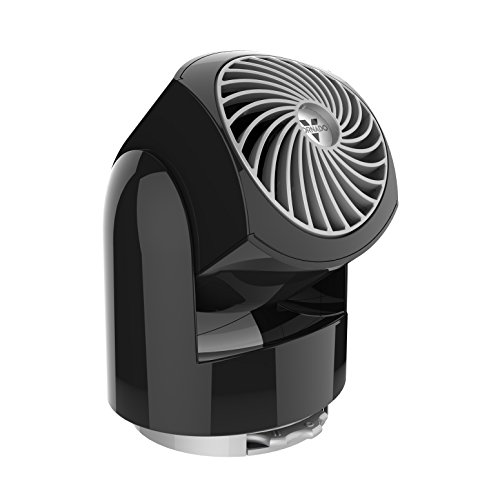
- Key Features: Personal vortex circulator, 2 speeds, adjustable tilt head, manual swivel base, flip-down grill for storage, compact desk size
- Pros: Takes almost no desk space; flip design hides the grill when packed away; simple two-speed control
- Cons: Only two speeds and no timer; personal range, not whole-room cooling; corded, so “portable” means easy to relocate, not battery-powered
- Description: The Flippi V6 is Vornado’s pocket-friendly circulator for a desk, kitchen counter, or dorm shelf. Vortex airflow, a tilting head, and a swivel base aim a breeze at you rather than trying to treat an entire floor. When you are done, the head flips down to conceal the grill. Choose it when you want personal airflow and a smaller silhouette than the 630 or 660.
6. Lasko 3733 20-Inch Box Fan (Amazon)
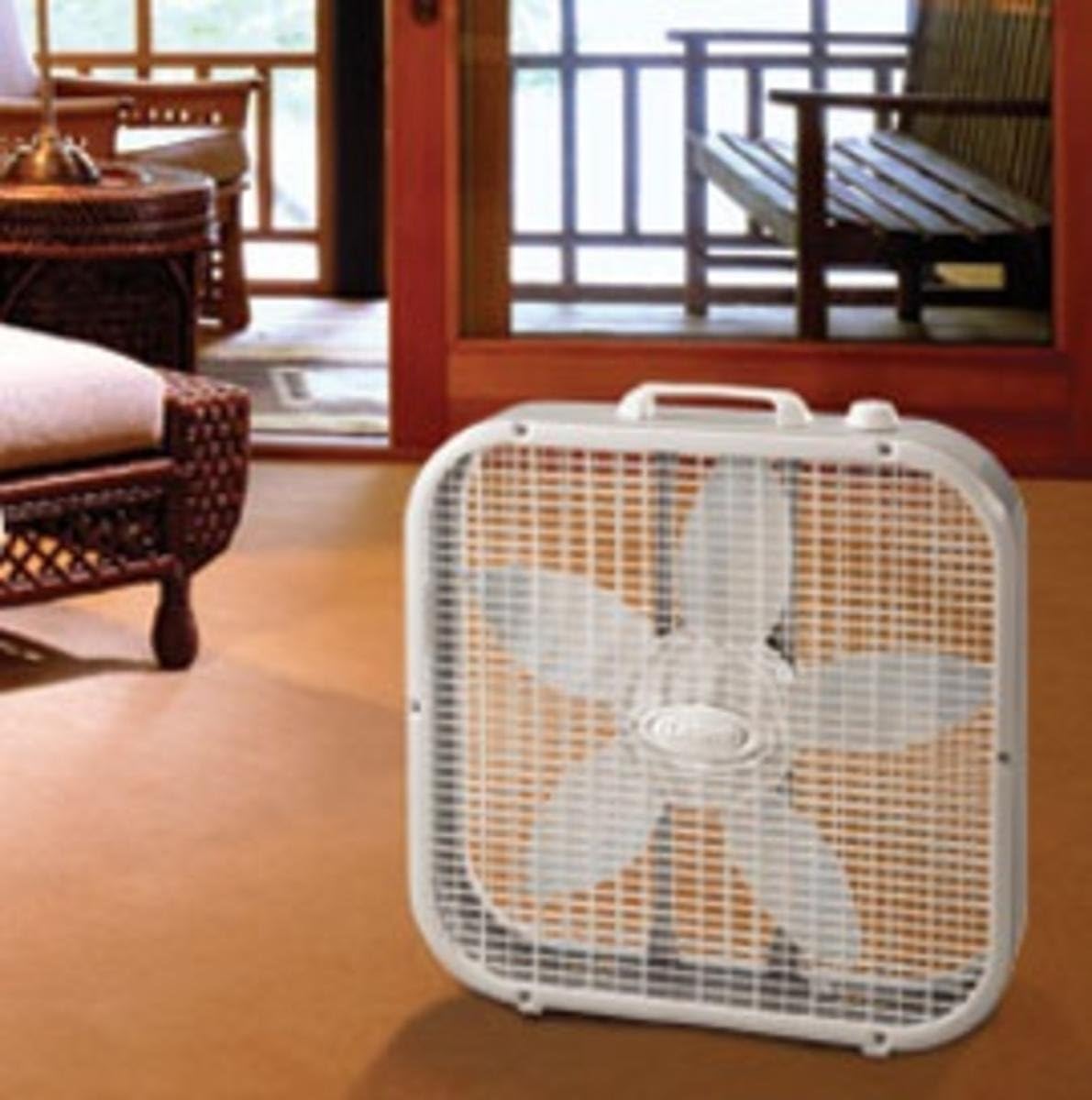
- Key Features: 20-inch box fan, 3 speeds, top-mounted controls, built-in carry handle, Blue Plug fused safety plug, Save-Smart efficiency design
- Pros: Easy to carry from room to room; familiar window-or-floor placement; simple controls anyone can use without an app
- Cons: Boxy footprint; no oscillation or remote; window use depends on a snug, stable opening and common-sense weather caution
- Description: Lasko’s 3733 is the traditional 20-inch box fan: three speeds, a carry handle, and a fused safety plug. Place it on the floor to push air through a room, or use it in a window to help exchange indoor and outdoor air when conditions allow. It will not match a smart tower for quiet sleep modes, but it remains one of the most straightforward portable fans for bedrooms, living rooms, and garages.
7. Lasko 3300 20-Inch Wind Machine (Amazon)
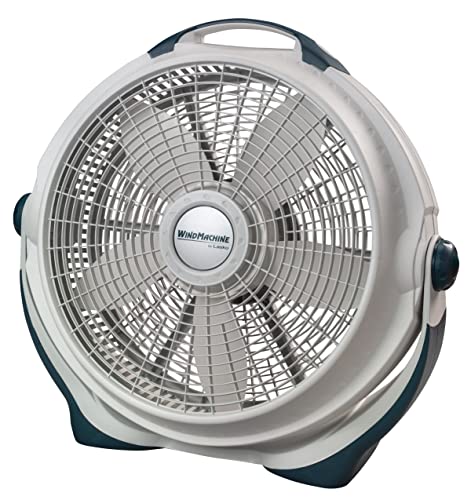
- Key Features: 20-inch high-velocity circulator, 3 speeds, pivoting head, built-in carry handle, floor-fan stance for large rooms and workshops
- Pros: Strong, directional airflow for large indoor spaces; pivoting head aims from floor toward ceiling; fully assembled carry-handle design
- Cons: Louder and more industrial than a bedroom tower; no remote, oscillation, or smart features; needs floor space and a nearby outlet
- Description: The Lasko 3300 Wind Machine is a 20-inch pivoting floor fan aimed at rooms where a quiet tower feels underpowered. Three speeds and a tilting head move a lot of air across living spaces, home gyms, and workshops. The carry handle makes it genuinely portable between rooms. Pick it when circulation and velocity matter more than whisper-quiet sleep settings.
8. Vornado 630 Medium Air Circulator (Amazon)
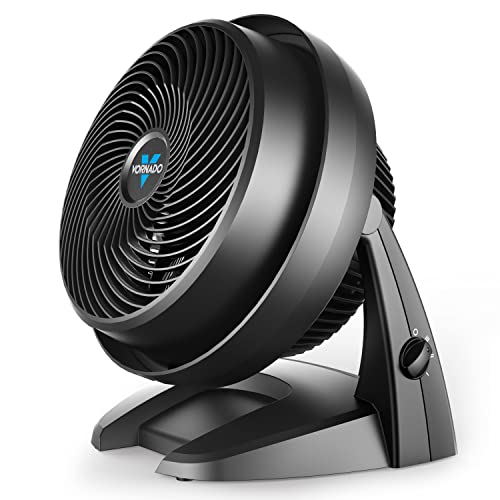
- Key Features: Mid-size whole-room circulator, 3-speed side dial, adjustable tilt, removable grill, vortex airflow claimed up to 70 feet, 9-inch-class grill
- Pros: Sweet spot between a desk fan and the larger 660; simple analog controls; grill removes for cleaning; useful year-round to mix heated or cooled air
- Cons: No oscillation, remote, or timer; corded indoor use only; takes more space than a mini tower
- Description: The Vornado 630 is the mid-size sibling of the 660: three speeds, a tilting head, and vortex circulation Vornado rates up to 70 feet. It sits comfortably on a floor or a sturdy table and is a common recommendation among testers who want whole-room movement without a full-size tower. If your space is a bedroom or home office rather than a great room, the 630 is usually the more proportional Vornado.
9. GoveeLife 42-Inch Smart Tower Fan (Amazon)
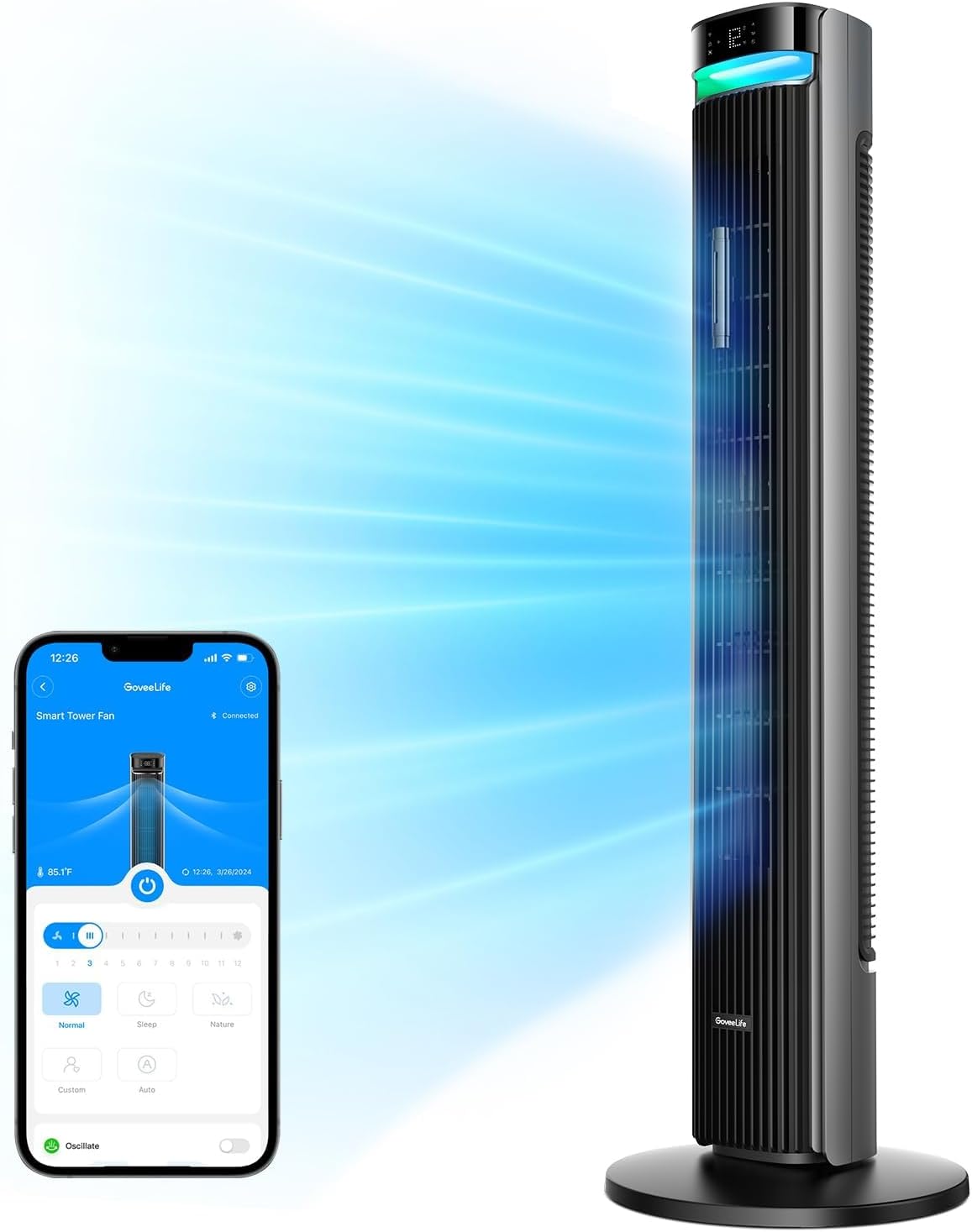
- Key Features: 42-inch smart tower, 12 speeds, 5 modes, adjustable oscillation up to 150°, app and voice control (Alexa, Google, Siri), 24-hour timer, brushless DC motor, removable grill
- Pros: Wide oscillation and many speeds for larger rooms; app scheduling; quieter DC motor than many AC towers; grill and impeller are designed to come off for cleaning
- Cons: Needs 2.4 GHz Wi-Fi for smart features; 5 GHz networks are not supported; taller towers are less “grab and go” than a box fan
- Description: GoveeLife’s 42-inch tower (model H7105-class) is a smart floor fan with twelve speeds, five modes, and oscillation you can widen as far as 150 degrees. The Govee app, Alexa, Google Assistant, and Siri cover remote control, and a built-in sensor supports basic thermostat-style auto behavior. An aromatherapy tray is included if you want scent with airflow. It is portable in the apartment sense—carry handle, no permanent install—not a battery picnic fan.
10. Levoit Smart 42-Inch Tower Fan (Amazon)
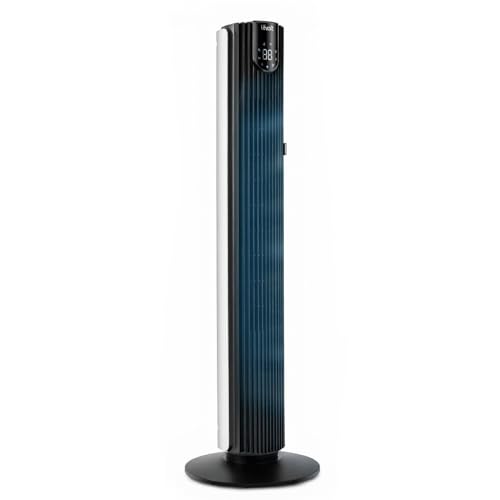
- Key Features: 42-inch bladeless smart tower, DC motor, claimed 26 ft/s velocity, 12 speeds, 4 modes, VeSync app, Alexa and Google Assistant, remote, sleep-oriented 25 dB low setting
- Pros: Narrow tower saves floor space; app plus physical remote; quiet sleep mode; bladeless grill is simpler to live with in a bedroom
- Cons: Requires the VeSync app and 2.4 GHz Wi-Fi for full smart features; assembly of the base is required; not cordless
- Description: Levoit’s smart 42-inch tower (LTF-F422S-WUS) uses a DC motor in a bladeless column, with twelve speeds, four modes, and oscillation. VeSync handles schedules and voice assistants, and a remote is in the box for nights you do not want the phone. Levoit rates low-end noise around 25 dB, which is the point of this style of fan: move bedroom air without the roar of a box fan. Pair it with an air conditioner or open window rather than expecting it to chill a room on its own.
A portable fan cannot invent cold air, but the right one can make a small room usable, help an air conditioner reach the far side of a space, or keep a desk from feeling still. Start with the room size and whether you need personal airflow, whole-room circulation, or a quiet overnight breeze. Then decide if you want analog simplicity or app control. The ten fans above cover those jobs without leaning on prices that change by the week.
Portable Fan Buying Guide and FAQs
What should I look for in a portable fan?
Match the fan to the job. Personal and mini-tower fans suit desks and nightstands. Box fans and high-velocity “wind machines” move more air in large or utilitarian rooms. Whole-room circulators (the Vornado style) are built to mix air throughout a space, not only cool the person sitting in front of the grill. Check speed count, oscillation or tilt, noise tolerance, and whether you need a timer or remote. Carry handles and modest weight matter if you will relocate the fan daily.
Is a tower fan better than a box fan?
Neither is universally better. Tower fans take less floor width, often include oscillation, remotes, and sleep modes, and tend to look less industrial in a living room. Box fans usually cost less complexity, can sit in a window, and are easy to carry. If you sleep next to the fan, a DC tower or a low-speed circulator is usually more pleasant than a box fan on high.
Do portable fans use a lot of electricity?
Most household fans draw far less power than an air conditioner. DC-motor towers and small personal fans are especially modest. Using a fan to circulate existing cool air—and raising the thermostat a little—is a common energy strategy. Exact wattage varies by model and speed, so check the listing or manual if you run a fan many hours a day.
Can I use a portable fan in a bedroom overnight?
Yes, if the fan is stable, the cord is out of walkways, and the noise level is acceptable to you. Sleep or low-speed modes on tower fans, and low settings on circulators, are the usual overnight choices. Keep grills clear of bedding and curtains, and use the timer if you only want airflow while you fall asleep.
Will a fan cool a room the way air conditioning does?
No. A fan moves air; it does not lower the air’s temperature the way a compressor does. You feel cooler because moving air evaporates moisture from skin. Pair a circulator with an AC unit, a fan in a window at the right time of day, or a shaded room for the best result. In very humid weather, airflow still helps comfort but will not replace dehumidifying or air conditioning.